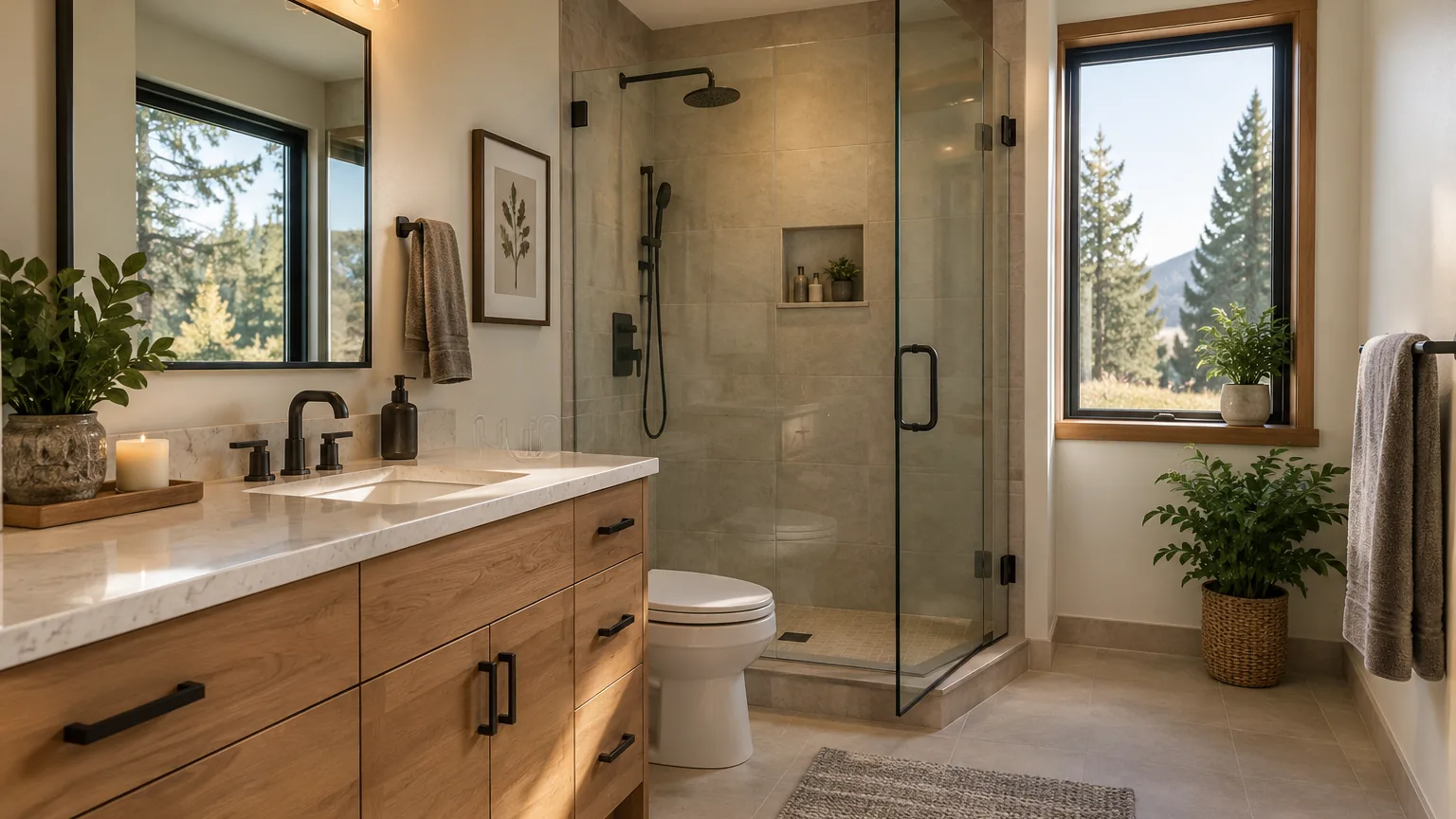
Local tile repair or a new tiled shower
A single damaged tile differs from a loose area, recurring cracks or a full replacement. Describe the visible problem and whether water has appeared outside the shower. A local repair is useful only if the surrounding assembly can support it. The bathroom services cover related fixtures, while shower tile work focuses on the finish and the substrate or wet-area work needed for it.
Existing backing and repair access
Tile removal may reveal damaged backing, an unknown waterproofing system or conditions that cannot be repaired through a small opening. Available matching tile also affects the visible result. A surface photo cannot establish that the concealed assembly is sound. If the base or its wall connection is involved, shower pan installation should be considered with the tile scope rather than hidden behind a limited patch.
Tile, mortar and movement compatibility
Tile type, size and backing determine which installation materials and methods are suitable. Glass, stone, porcelain and mosaics can have different requirements for bonding, preparation and care. Movement joints and changes of plane need appropriate treatment within the selected system. A visually appealing tile should not be chosen without considering the shower surface, intended exposure and manufacturer guidance for the complete assembly.
Plan the shower entry and tile layout
Lay out the finish around the pan, curb or entry, niches, corners and fixture penetrations. Tile size affects cuts and the appearance of sloped surfaces; a centered pattern may create awkward pieces at another edge. The transition to the bathroom floor and enclosure should be planned with the final build-up. A changed entry design may introduce work beyond a tile-only replacement.
Fixtures, drain and penetrations
Valve trim, shower fittings and the drain interface need coordination with tile thickness and the underlying system. Plumbing relocation or repair should be completed at the appropriate stage before the finish closes access. New tiles do not repair a leaking connection behind the wall. Identify which fixtures remain and who handles any disconnection, reconnection or changed plumbing, with the qualifications and approvals appropriate to that work.
Waterproofing before the visible finish
The water-management layer and its transitions must form a compatible assembly behind or beneath the tile. Corners, niches and penetrations can be as consequential as broad wall areas. A new grout joint or surface seal does not rebuild a failed concealed layer. Appropriate checks and inspections should occur before work is covered. Grout repair is a narrower service where the tile and underlying assembly remain suitable.
Preserve the layout or rebuild more of the shower
Replacing finish in the existing shower differs from moving walls, the drain, valves or the entry. Even without a layout change, removal can uncover damage that affects the repair extent. Agree how concealed findings will be reviewed before follow-on work is defined. A tile request should identify the intended boundary rather than silently include a whole bathroom remodel.
Edges, enclosures and finish matching
Exposed edges, niche trims and adjoining painted surfaces need a planned finish. A new tile thickness or layout can affect the enclosure opening and hardware. Enclosure installation and repair should be coordinated with the finished dimensions. Matching aged tile or grout exactly may not be possible, so discuss the acceptable repair appearance and product-specific cure and care instructions before return to use.
Trade and permit boundaries
Wet-area reconstruction, changed plumbing or structural work may introduce requirements beyond a surface repair. Confirm the scope, appropriately qualified parties and applicable permits or inspections for the property before work begins. The initial inquiry does not certify the existing shower or establish an exemption. The work plan should make responsibility for the backing, waterproofing, tile and fixture interfaces clear.
Request shower tile installation or repair
Call (223) 226-1828 or contact WA-GoodHome with your city, shower photos, approximate area and tile product if selected. Include leak history, loose tiles and any planned layout or fixture changes so the repair or installation can be scoped accurately.