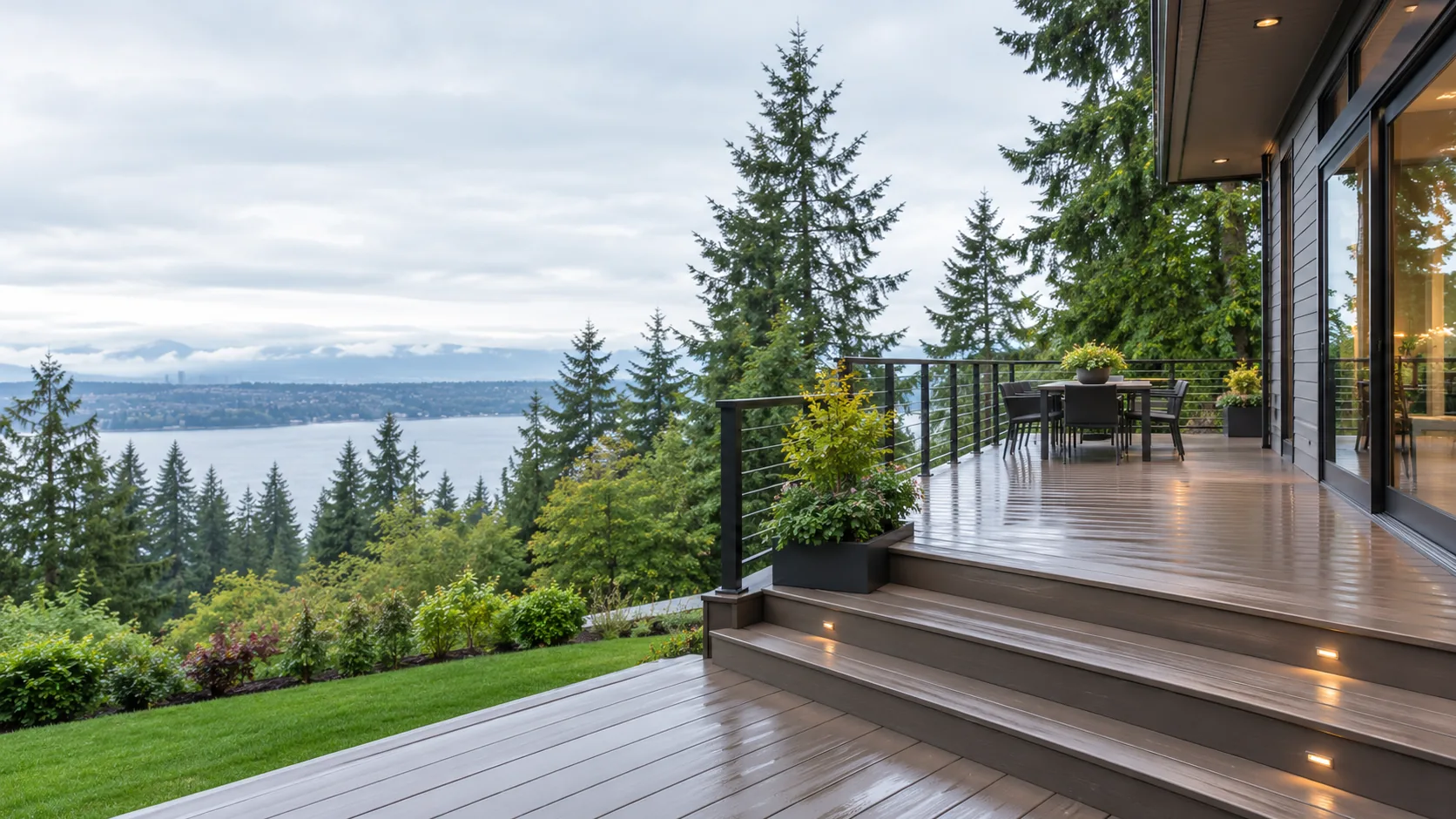
Start with the outdoor area and its use
An entry needs a different lighting pattern from a seating area, steps or a garden feature. Describe the activity, the area that is currently too dark and whether existing fixtures will remain. Too much light in the wrong direction can make the result uncomfortable. The Electrical & Lighting services include fixture and control work that can be identified alongside the exterior layout.
Existing power and wiring routes
An existing exterior fixture may offer a starting point, but its wiring, box and condition still need review. Low-voltage landscape systems also need compatible fixtures, power equipment and cable arrangements. Extending an old system should not be assumed possible merely because another light can physically be attached. Describe known equipment and previous changes; concealed or buried wiring remains an assessment item.
Position the light before choosing the mount
Consider where the beam lands from the doorway, driveway and normal seating positions. Nearby windows, plants and the direction people approach can affect placement and glare. A fixture mounted high for convenience may not illuminate the intended surface well. The plan should identify the light’s purpose and direction before treating an existing mounting point as the final answer.
Weather exposure and exterior penetrations
Fixtures, connections and enclosures must suit the actual exposure. A location under an eave can still experience moisture, and ground-level equipment may face irrigation or standing water. New cable entries and mounting points need a detail appropriate to the exterior surface and drainage arrangement. Existing rot or water damage must be identified before equipment covers it. This is not a substitute for a broader leak or siding repair.
Mounting surfaces and fixture fit
Siding profiles, masonry, trim and posts can require different mounting arrangements. The chosen base needs suitable support and a stable fit without relying on a decorative surface alone. Replacement fixtures may expose the outline of the old base or require finish repair. Include fixture dimensions, the material at the mounting point and access height so support and appearance can be reviewed together.
Switches, timers and motion response
Decide whether lights should run manually, on a schedule, at dusk or in response to activity. Existing switches and the selected fixtures affect compatible controls. Motion sensor installation includes coverage and nuisance-trigger questions, while light timers address scheduled operation and overrides. A control plan should reflect everyday use, including how the lights will be operated without an app.
New locations and permanent roofline systems
Adding lights can involve new cable routes, ground disturbance, finished-surface openings and restoration. Identify those elements alongside the fixtures. A decorative system that stays along the eaves or roofline is covered by permanent outdoor lighting installation, with its own channel, controller and service-access decisions. Seasonal strings are a different temporary installation.
Confirm the electrical scope
New supplies, hardwired connections and circuit changes must be assessed for appropriate qualifications and local permit or inspection requirements. Confirm those responsibilities before installation. The assessment should also identify access limitations and any separate exterior repairs. A proposed lighting layout does not verify concealed wiring, establish a permit exemption or settle whether an existing circuit can serve additional equipment.
Prepare your outdoor lighting request
Send daytime photos of the whole area and the existing fixtures, plus product links if selected. Describe the result you want after dark, current controls, known power locations and any landscaping or exterior work planned. Ground-level photos are enough to begin; do not climb to inspect a fixture or expose wiring for the request.
Arrange outdoor lighting installation
Call (223) 226-1828 or contact WA-GoodHome with your city, the area to be lit and any access constraints. We can review fixture placement, power, controls and restoration needs before scheduling the defined project.